

Published: 01/12/2025
In November 2025, Leeds City Council made a designation under the Housing Act 2004 to officially renew and significantly expand its Selective Licensing scheme, with the new designation taking effect on 9 February 2026. This expansion represents one of the largest Selective Licensing rollouts in the region and will affect an estimated 12,500 privately rented properties across multiple Leeds wards.For landlords, the implications are substantial. Whether you own a single rental property or manage a portfolio, understanding the new rules—and acting early—will save you considerable stress, cost, and potential penalties later. Not only that but the council have left a scarce amount of time for landlords having properties in the new area, to prepare.
This article explains the updated scheme in plain English: what has changed, the areas covered, what landlords must do, and how this will shape the rental landscape in Leeds over the next five years.
What Is Selective Licensing?
Selective Licensing is a power granted to local councils under the Housing Act 2004. It allows them to require that every privately rented property within a designated area must hold a licence.
The intention is to address concerns such as:
- Poor housing standards
- High levels of deprivation
- Anti-social behaviour
- High tenant turnover
- Poor property management
- Low demand or declining neighbourhood conditions
What’s Changing in Leeds?
Leeds previously operated Selective Licensing in smaller pockets such as Beeston and Harehills. Those schemes resulted in significant improvements in property condition and management standards, according to Council reports.
As a result, Leeds City Council has extended the scheme across a much wider area from February 2026. Not only that the scope of the license itself has expanded since the last scheme in Leeds.
The new designated areas cover parts of the following wards:
- Armley
- Beeston & Holbeck
- Burmantofts & Richmond Hill
- Gipton & Harehills
- Hunslet & Riverside
- Farnley & Wortley
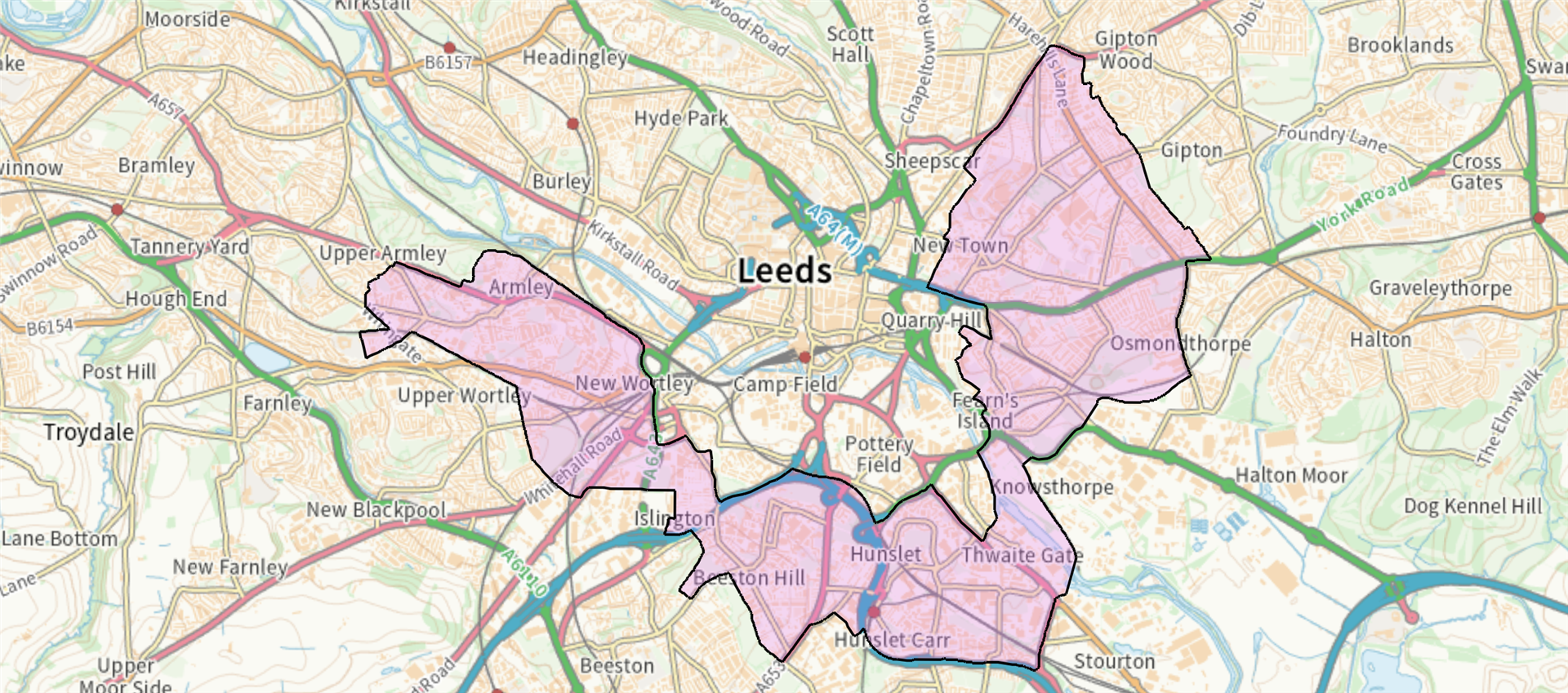
To see which postcodes fall under the new area, you can download the full list here.
If your property falls within any of these areas, a licence will be required (unless you have an exemption).
You must apply for each property separately.
When Do Landlords Need to Apply?
If the property is already rented out on 9 February 2026, you must apply as soon as possible. If you purchase a property in the area after the scheme begins, you must apply within 14 days of acquiring it.
Failing to apply for a licence is a criminal offence.
Landlords can face:
- A civil penalty of up to £30,000
- Prosecution and unlimited fines
- Rent Repayment Orders
- Enforcement action and improvement notices
- Potential banning orders for persistent offenders
Who Can Hold the Licence?
The licence holder must be a “fit and proper person”, assessed on factors including:
- Criminal convictions
- Breaches of housing law
- Financial conduct
- Previous property management history
You must also notify key stakeholders when applying, such as:
- Mortgage lender
- Freeholder/head lessor
- Tenants (in long tenancies)
- Managing agent
- Anyone else with an interest in the property
Conditions of the Licence: What Standards Must Landlords Meet?
A selective licence sets mandatory minimum standards for property safety and management. You must maintain these standards throughout the licence period.
These typically include:
1. Safety Requirements
- Annual gas safety certificate
- Five-yearly electrical installation condition report (EICR)
- Safe operation of all appliances
- A Fire Risk Assessment
- A working smoke alarm system
- Carbon monoxide alarms where required
- Home must be in a “decent state of repair”
- No Category 1 hazards (HHSRS)
- External structure must be maintained
- Damp, mould, and condensation issues must be addressed
- Proper referencing and tenancy documentation
- Right to Rent compliance
- Prompt repairs and maintenance
- Clear anti-social behaviour policy
- Deposit protection compliance
You may be required to produce certain documents on request, such as:
- Tenancy agreements
- Safety certificates
- Inspection records
- Maintenance logs
Does Selective Licensing Apply to HMOs?
Larger HMOs (those requiring mandatory HMO licensing) are generally exempt from Selective Licensing.
However, small HMOs (3–4 tenants sharing) will require a Selective License if they do not meet the threshold for mandatory HMO licensing.
Landlords must check the requirements for each of their properties carefully.
Costs and Financial Implications
The Selective License Fee is paid in 2 parts - the first part is payable upon application, the second part on success. You can apply via Leeds City Council’s website here, or by paper.
Part 1 (online): £675
Part 1 (paper): £800
Part 2 (online): £425 (or £275 if you qualify for the discount via Leeds Rental Standard)
Part 2: (paper) £425 (or £275 if you qualify for the discount via Leeds Rental Standard)
Total (online): £1100
Total (paper) £1225
Costs to consider include:
- The licence fee
- Any required remedial works
- Increased compliance and administration
- Re-inspection risks if standards are not maintained
Strategic Impact for Landlords and Investors
Selective Licensing changes the operating environment for landlords. It introduces more regulatory oversight but also raises overall standards across the sector.
For compliant, professional landlords:
- Creates a level playing field
- Reduces competition from substandard operators
- May justify higher rents due to better‑quality homes
- Improves investor confidence long-term
- Increased risk and cost
- Greater scrutiny
- Higher likelihood of enforcement action
What Landlords Should Do Now: Your Action Plan
1. Check whether your property is in the designated area.
2. Prepare your documentation and information required for the application*
3. Inspect the property and make any necessary repairs.
4. Ensure your management practices meet the new standards.
5. Notify lenders, tenants, and other relevant parties in advance.
7. Plan for the licensing cost
8. Apply as soon as possible to avoid delays or penalties.
*The application form is comprehensive and will take some time to complete. For that reason, we advise that you gather the information required to complete the form in advance. You will find a list of the information you will need here
Final Thoughts
The renewal and expansion of Selective Licensing in Leeds marks a significant shift for the city's rental market. While it adds administrative and financial pressures for landlords, it also helps raise standards, protect tenants, and stabilise local communities.
For landlords willing to embrace compliance and operate professionally, this change presents as many opportunities as challenges.
If you would like a personalised compliance plan - or support with licence applications - please get in touch, our team will be happy to assist.
Important – if you have a property/properties inside the selective licensing area – you are strongly advised to apply AS SOON AS POSSIBLE as the process may take longer than you expect, and to avoid potentially significant fines and penalties